Organize Your Makeup With AI: Declutter & Stop Duplicates
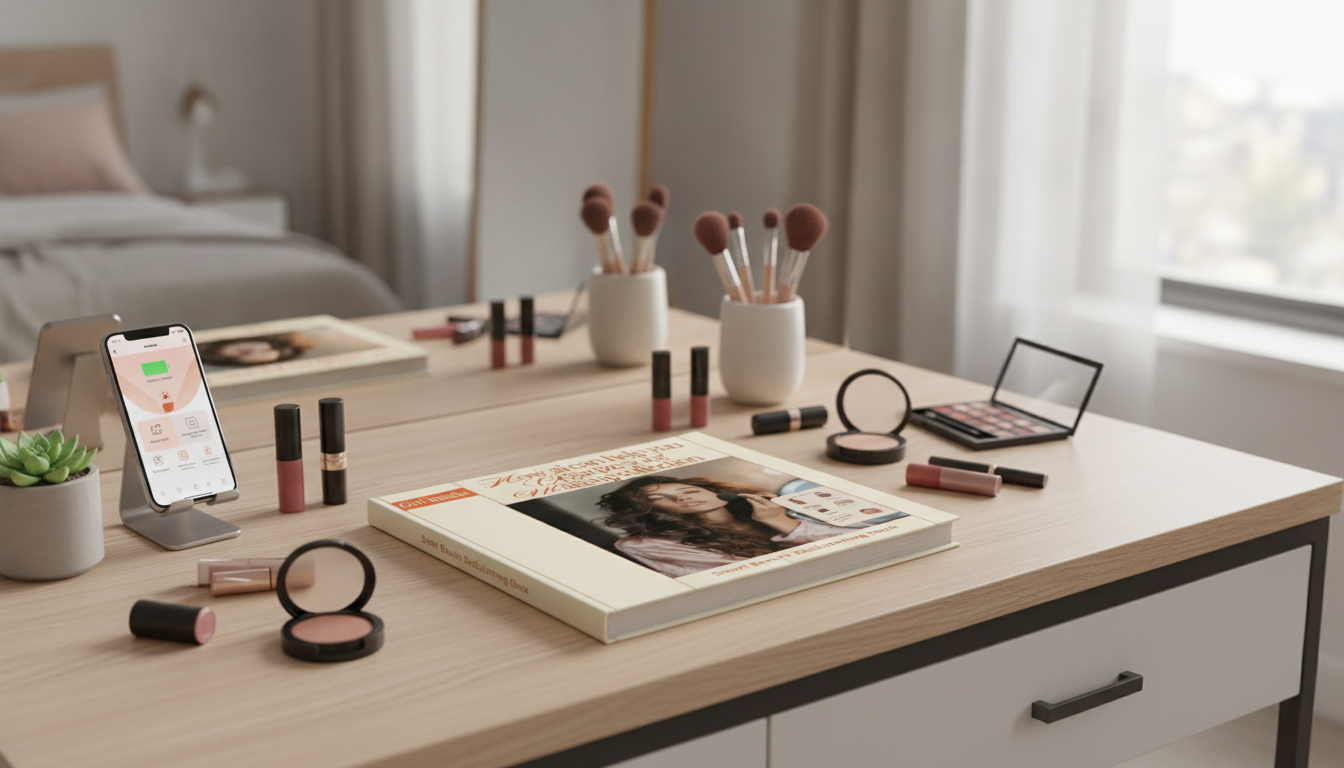
AI-Powered Makeup Organization: A Smarter Way to Declutter, Track, and Use What You Own
A makeup collection can balloon fast: duplicate “almost-the-same” nudes, minis that disappear into the back of a drawer, expired liquids, and storage that doesn’t match how you actually get ready. A practical way to reduce the chaos is to combine quick sorting habits with AI-assisted organization—using photos and simple notes to create a searchable inventory, flag what’s likely past its prime, and build a streamlined capsule kit. The payoff is less clutter, quicker mornings, and fewer repeat purchases. For more guidance, see The Ultimate Guide to Digital Decluttering – Ohai.ai.
Start with a fast “everything out” reset
The goal is momentum, not perfection. Work in short sessions and keep decisions simple so the pile doesn’t become a long-term “project.” For further reading, see The Digital Decluttering Checklist – The Home Edit.
- Clear one category at a time (lips, base, eyes, tools) to avoid decision fatigue and half-finished piles.
- Group by type first, then by formula (cream vs powder), then by color family; duplicates become obvious when they’re side by side.
- Set aside a “maybe” bin for items that need a wear test, shade check, or sanitation before deciding.
- Capture quick photos of each group on a flat surface; these images become the raw material for AI-assisted inventory.
Tip: If you’re prone to overthinking, start with the “easy wins” category first—old mascara, dried liquid liner, broken packaging, and shades you already know don’t work.
Use AI to build a searchable inventory from photos
Once you have clear group photos and a few label close-ups, AI tools can help you turn visual chaos into a usable list. Even if you need to correct a few entries, you’ll still save time versus typing everything from scratch.
- Upload group photos and close-ups of labels; AI can help extract product names, shade names, and categories into a list.
- Standardize fields so the collection can be filtered: brand, product type, shade, undertone, finish, date opened, and “repurchase?”
- Add a simple condition tag: new, opened, half-used, near empty, or “stopped loving it.”
- Create a “do-not-buy” note for shades you already own (example: warm nude lipstick, champagne shimmer shadow, black felt-tip liner).
Ways to track a makeup collection (and when each works best)
| Method | Best for | Pros | Limitations |
|---|---|---|---|
| Manual sort + sticky notes | Quick one-time declutter | Fast setup, no tech required | Hard to maintain; not searchable |
| Spreadsheet inventory | Detailed tracking and budgeting | Custom fields; easy totals (how many lip products, cost estimates) | Time-consuming data entry; updates often skipped |
| AI-assisted photo-to-list workflow | Large collections and repeat buyers | Faster data capture; can help spot duplicates and patterns | Needs clear photos; accuracy varies by label visibility |
| Rotation box + weekly kit | People who want simplicity without full cataloging | Immediate daily benefit; limits overwhelm | Doesn’t prevent duplicate buying unless combined with a list |
Let AI highlight duplicates and “nearly the same” shades
Most clutter isn’t random—it’s repetition. AI-assisted grouping can make patterns harder to ignore (like buying the same rosy nude in three different formulas).
- Cluster products by color family and finish (e.g., rosy nude satin vs rosy nude matte) to reveal redundant buys.
- Use a simple rule: keep the best formula + best shade match + best packaging experience; move the rest to “use up,” “gift,” or “declutter.”
- For eyeshadow palettes, identify overlapping neutral ranges and keep the one with the most-used finishes (everyday mattes vs special shimmers).
- Create a “one-in, one-out” list for categories that accumulate quickly (lip gloss, mascara, brow gels).
Expiration and hygiene: build a practical safety check
AI can support reminders, but makeup safety still depends on manufacturer guidance, product type, and how it’s stored and used. For U.S. guidance on cosmetics and labeling, the U.S. Food & Drug Administration (FDA) is a reliable reference.
Create a capsule kit that matches real life
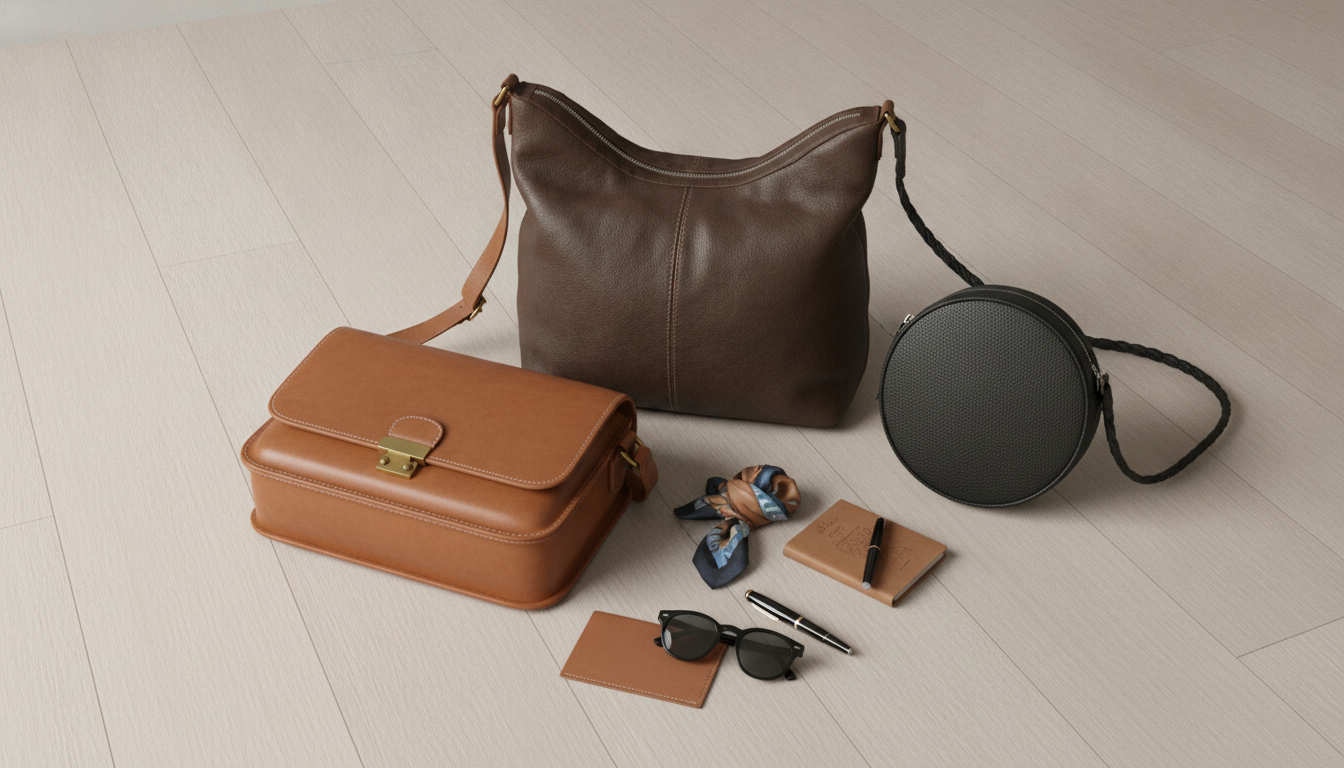
If you like keeping a “grab-and-go” kit separate from your main stash, a small structured bag can help. The Mini Chain Shoulder Bag works well for carrying a compact capsule (skin tint, concealer, one cheek product, brow gel, mascara, and a lip) when you want essentials together.
Storage that stays organized (not just pretty)
A guided approach for faster decisions
- Follow a structured declutter path: identify goals, inventory quickly, choose keepers, create kits, then set maintenance reminders.
- Use prompts and checklists to avoid overthinking: shade match, comfort, wear time, and how often it is chosen over alternatives.
- Build a repurchase list and a “wish list cooling-off” rule to reduce impulse buys once the collection is visible and organized.
- For a step-by-step framework that pairs AI tools with practical decluttering rules, use the Smart Beauty Decluttering Ebook as a guided plan from first dump-out to long-term maintenance.
FAQ
What’s the fastest way to declutter makeup without getting overwhelmed?
Sort one category at a time in short sessions, using keep/maybe/declutter bins and a quick rule set (expired, duplicates, never-used). Taking group photos and turning them into an AI-assisted list helps you track what you own without slowing down to write everything by hand.
How can AI help prevent buying duplicates?
AI can turn photos into a searchable inventory, then you can tag items by color family and finish and keep a simple “do-not-buy” list for repeat shades. A quick check of that list before shopping is often enough to stop accidental doubles.
Is it safe to rely on AI for expiration dates and product safety?
AI is best used for reminders and organization, not as the final authority on safety. Follow manufacturer guidance and PAO symbols, and discard products with changes in smell, texture, or performance—especially higher-risk items like mascara and liquid liners.









Leave a comment