Non-Slip Shock-Absorbing Grips for Bikes & Scooters
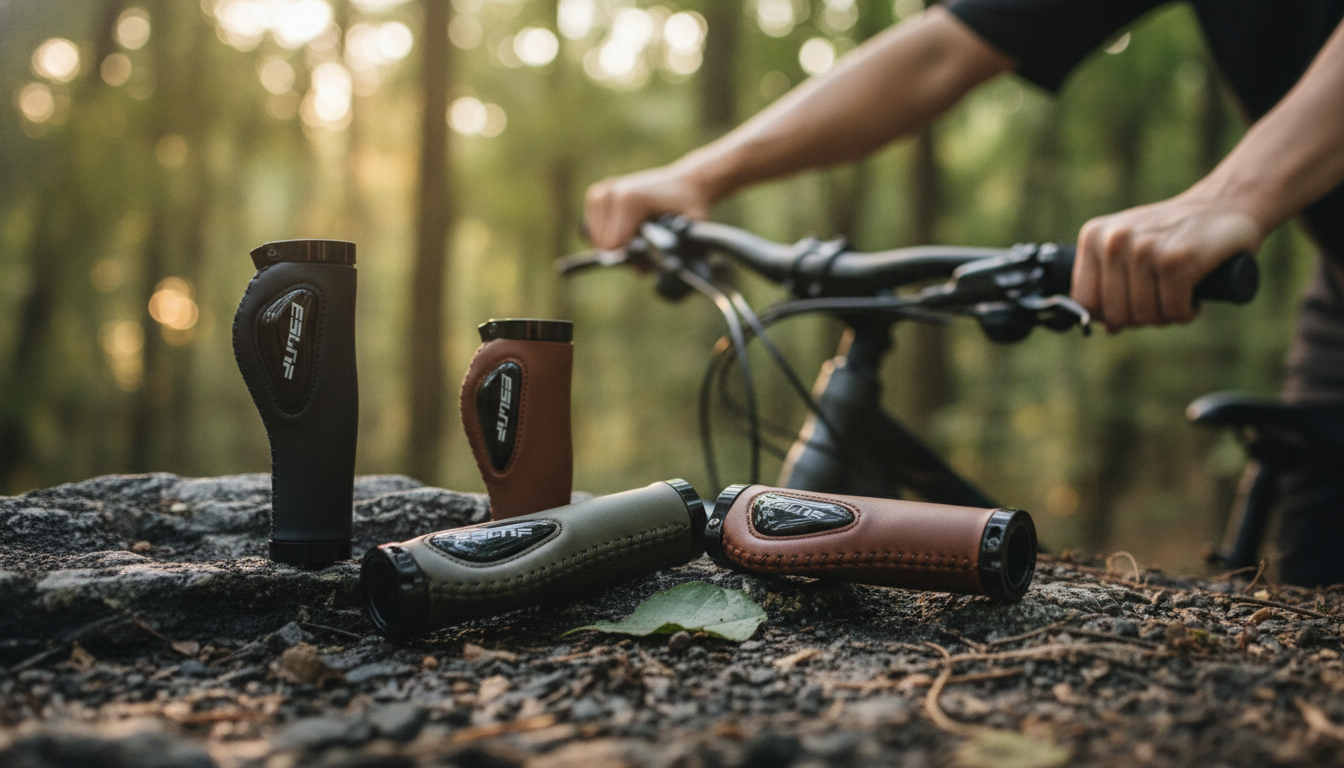
Non-Slip Shock-Absorbing Handlebar Grips for Bikes and Scooters: Comfort, Control, and Easy Upgrades
Handlebar grips do more than change the look of a bike or scooter—they directly affect comfort, steering precision, and confidence on rough pavement. Non-slip, shock-absorbing grips are designed to reduce hand fatigue, improve traction in sweat or light rain, and add a small layer of cushioning that can make daily rides noticeably smoother.
Whether the ride is a short commute, campus cruising, or last-mile travel on a scooter, a grip upgrade is one of the simplest ways to improve how the bars feel in your hands—without changing major components.
What Changes When You Upgrade Your Grips
- More secure hold to help prevent micro-slips during braking, turning, or standing rides.
- Added cushioning to reduce vibration from uneven roads, sidewalks, and gravel paths.
- Better comfort for longer rides, commutes, or frequent stop-and-go use.
- Improved control for scooters where the grip is the primary stability point.
On real rides, the biggest difference often comes from how much less you feel the need to “death-grip” the bars. When traction and cushioning improve, hands can stay more relaxed, which can also help wrists and forearms feel fresher at the end of the trip.
Key Features That Matter Most
- Non-slip surface texture: Look for patterns that maintain traction with sweaty hands or light moisture.
- Shock-absorbing material: Softer compounds can damp vibration; firmer compounds can feel more direct and responsive.
- Grip diameter and shape: Thicker grips can reduce pressure points; thinner grips can improve feedback and feel.
- End design: Closed ends can protect against bar-end impacts; open ends may allow accessories or bar-end plugs.
- Compatibility: Confirm handlebar diameter and whether the grip is intended for bikes, scooters, or both.
Texture and material work together. A highly textured grip made of a slippery compound can still feel insecure, while a tackier rubber-like material with an ergonomic pattern can stay planted even when hands get sweaty. For longer rides, diameter becomes just as important—too thin and pressure can concentrate on a small area; too thick and smaller hands can fatigue from reaching around the grip.
Fit and Compatibility Checklist
- Measure handlebar diameter (common bike and scooter bars vary by model); verify the grip’s inner diameter range before ordering.
- Check length: Longer grips can be more comfortable; shorter grips may be necessary when shifters, throttles, or clamps limit space.
- Decide on lock-on vs slip-on styles (if specified): lock-on grips simplify installation and reduce twisting; slip-on grips can be lighter and simpler.
- Confirm left/right needs: Some bike setups require different inner diameters (e.g., twist-shift side), while many scooters use symmetrical grips.
Quick Compatibility Guide
| Item to Check | Why It Matters | What to Do |
|---|---|---|
| Handlebar diameter | Prevents loose fit or impossible installation | Measure with a ruler/caliper or check the vehicle specs |
| Available grip space | Avoids interference with brakes, shifters, throttle, or clamps | Measure usable length from bar end to the nearest control |
| Riding style | Changes ideal firmness and texture | Commute: balanced; rough paths: more cushion; performance: more feedback |
| Weather and sweat | Affects traction and comfort | Prioritize textured, non-slip surfaces for humid or rainy conditions |
Comfort and Vibration: What to Expect on Real Rides
- Reduced tingling or numbness can come from improved pressure distribution and vibration damping, especially on rigid forks or solid scooter stems.
- More consistent grip can reduce over-squeezing the bars, which helps forearm fatigue on longer rides.
- Grip effectiveness is influenced by tire pressure, suspension, gloves, and riding posture—grips are one part of the comfort system.
- For maximum benefit, pair cushioned grips with correctly inflated tires and a relaxed wrist position.
Vibration on pavement is often high-frequency “buzz” that travels through the bar into the palms. A shock-absorbing grip can soften that sensation by damping small impacts and spreading pressure across a slightly larger contact area. If hands regularly go numb, it may also help to review overall setup and posture; resources like Bicycling’s guidance on preventing hand numbness can be a helpful starting point. For a deeper look at bar types and hand positions, Sheldon Brown’s handlebar reference is a classic resource.
If persistent tingling is concentrated in the ring and pinky fingers, it may involve nerve compression; general medical background like the Cleveland Clinic’s overview of ulnar nerve entrapment explains common causes and why pressure management matters.
Installation and Care Tips
Non-Slip Shock-Absorbing Handlebar Grips for Bikes and Scooters
More In-Stock Finds
- Mini Chain Shoulder Bag
- How AI Can Help You Organize Your Makeup Collection | Smart Beauty Decluttering Ebook
- Striped Fleece Dog Sweater
FAQ
Will these grips fit both bikes and scooters?
Fit depends on your handlebar diameter and the usable grip length between controls. Measure the bars and confirm whether a throttle or twist-shifter requires a different inner diameter or a shorter grip on one side.
Do shock-absorbing grips really reduce vibration?
They can reduce high-frequency buzz and soften small impacts by adding cushioning and spreading pressure more evenly. Results vary with tire pressure, surface roughness, gloves, and overall riding posture.
How do grips stay non-slip in sweat or light rain?
Non-slip performance comes from textured patterns and rubber-like compounds that increase friction when hands are damp. Regular cleaning helps, since oils and dirt can coat the surface and reduce traction.









Leave a comment