5 Toddler Books That Teach “No Biting” (Plus Scripts)
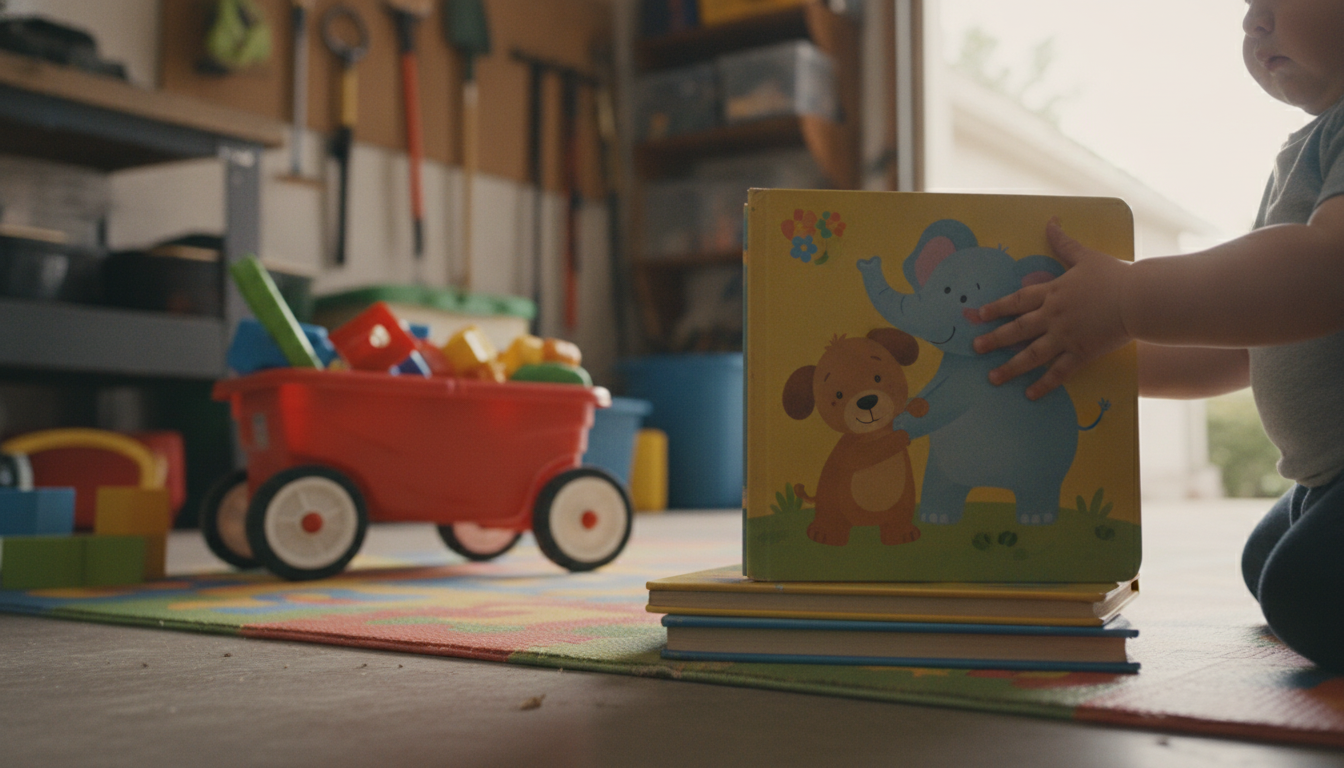
What books help toddlers stop biting?
Books can be a simple, low-pressure way to teach “mouth rules” and give toddlers words for big feelings. The best choices use clear, repetitive language, show the exact behavior you want (gentle touch, asking for space), and offer a quick replacement skill.
Top picks parents often find helpful:
- “Teeth Are Not for Biting” (Elizabeth Verdick) — Direct, toddler-friendly reminders paired with alternatives like biting a teether or using words.
- “No Biting!” (Karen Katz) — A short, engaging story that keeps attention and reinforces boundaries.
- “Little Dinos Don’t Bite” (Michael Dahl) — A playful approach that still clearly labels the “no biting” rule and what to do instead.
- “Hands Are Not for Hitting” (Martine Agassi) — Helpful when biting is part of a bigger “impulse control” phase; it teaches safe, gentle actions.
- “Calm Down Time” or other calming books — If biting happens with overwhelm, books about taking breaths, finding a quiet spot, or asking for help can reduce the trigger.
How to use these books so they actually stick
Read them when your toddler is calm (not right after a bite), and keep the message consistent: “Teeth are for food.” Pause on pictures and practice a replacement phrase like “Move!” or “My turn!” If your child bites when excited, add a short script such as “Kiss or wave—no biting” and model it on a stuffed animal.
If biting is frequent, it helps to pair stories with a predictable response plan, plus practice of skills like waiting, asking for space, and sensory alternatives. For a step-by-step approach, see this guide on toddler biting and calm steps to stop it.
For 5 Toddler Books That Teach “No Biting” (Plus Scripts), the best answer depends on fit, material, care instructions, and how the product will be used day to day.
FAQ
What should I say immediately after my toddler bites someone?
Keep it short and calm: “No biting. Biting hurts.” Then separate briefly, comfort the child who was bitten, and help your toddler practice an alternative like “Help” or “All done.”










Leave a comment