Dual Dynamic + Planar IEMs: Bass, Clarity, Fit & Power
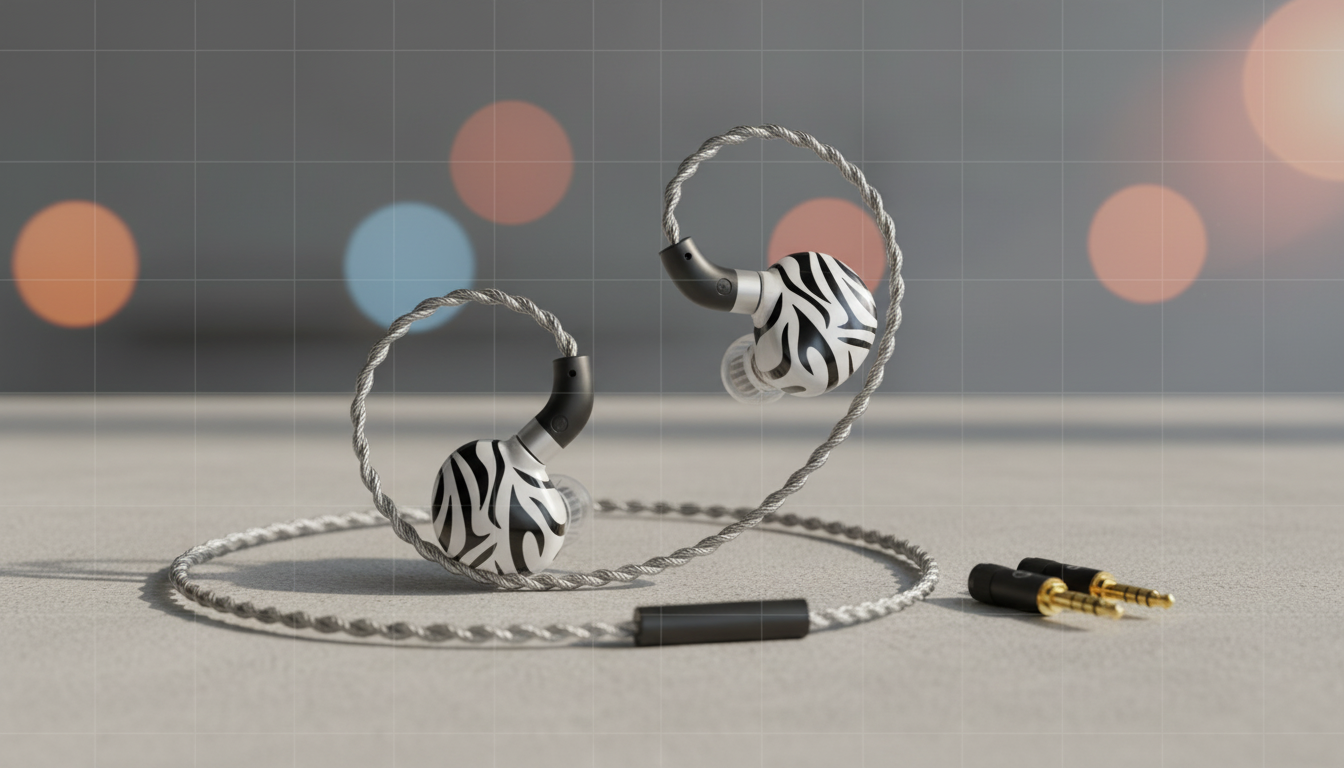
High-Fidelity In-Ear Earphones with Dual Dynamic & Planar Drivers: What the Hybrid Setup Delivers
Hybrid in-ear earphones that combine dual dynamic drivers with a planar driver aim to blend physical bass impact with fast, detailed mids and treble. The appeal is simple: dynamic drivers move air with ease for satisfying low-end weight, while a planar driver can bring speed and crisp separation when the mix gets busy. Below is a practical guide to how this driver mix shapes sound, what to prioritize for fit and source gear, and how to judge real-world performance for music, gaming, and travel. For more guidance, see Reviews by David Haworth – Head-Fi.
Why a dual dynamic + planar hybrid is different
Most IEMs lean on one driver type, but a dual dynamic + planar hybrid tries to assign different jobs to different transducers. Done right, it can sound effortless at both ends of the spectrum—impactful down low and articulate up top. For further reading, see Exploring the Different Types of Headphone Drivers.
- Dynamic drivers move air easily, which can translate into weighty sub-bass and natural punch on kicks, bass guitar, and cinematic effects.
- A planar driver uses a thin diaphragm driven across its surface, often improving perceived speed, separation, and clarity in complex passages.
- Splitting the workload can reduce strain: when each driver focuses on a narrower band, distortion can stay lower at higher volumes—assuming the tuning is competent.
- Integration matters as much as “more drivers”: crossover design, acoustic damping, and nozzle/venting choices determine whether the earphones sound coherent or stitched together.
If you want a deeper technical baseline on how headphones and earphones are discussed and measured in professional contexts, the Audio Engineering Society (AES) and the RTINGS Headphones Test Methodology are useful references.
Sound signature expectations (and what to listen for)
A good hybrid should give a “single-driver” illusion—one continuous presentation—while still delivering the signature strengths of its parts. Use short, repeatable moments in familiar tracks to spot what’s working (or what isn’t).
Bass: extension without bloat
Listen for sub-bass reach that feels deep but controlled. The best hybrids deliver rumble and punch without spilling mid-bass warmth into vocal fundamentals. Bass notes should start and stop cleanly rather than blur into the mids.
Mids: natural vocal placement
Vocals should sit convincingly in the mix: not hollow or distant, and not so forward that they turn nasal or shouty at higher volume. Guitars and pianos should keep body and texture instead of sounding thinned out by an aggressive bass shelf or a scooped lower midrange.
Treble: air without bite
Planar treble can feel crisp, but a strong peak can push cymbals into a “spitty” edge and exaggerate sibilance on “S” sounds. Aim for sparkle and air with smooth decay—energy that feels open rather than sharp.
Imaging, layering, and coherency
Hybrids often excel at placing instruments. Test with busy mixes (rock, EDM drops, orchestral crescendos) and pay attention to whether positions stay stable as the track gets dense. The best sets avoid the telltale split where bass feels like it’s coming from one place and upper details from another.
| What to test | Good sign | Red flag |
|---|---|---|
| Deep synth or 808 drop | Bass stays controlled and textured | Boomy bass that masks vocals |
| Female vocal chorus | Clear vowel tones without glare | Sibilance or harsh “S/T” spikes |
| Cymbal ride pattern | Shimmer with defined decay | Splashy, fizzy, or metallic treble |
| Busy instrument layer (strings + drums) | Separation with stable placement | Collapsed soundstage, blurred layering |
Fit, seal, and comfort: the make-or-break factors
Hybrid drivers can only deliver their intended tuning if the earphones seal properly. A small leak at the ear tip can erase bass, skew the frequency balance, and make a great IEM sound thin.
Power, sources, and getting the best performance
Use cases: music, commuting, gaming, and calls
Care, maintenance, and longevity
Product spotlight: High-Fidelity In-Ear Earphones with Dual Dynamic & Planar Drivers
If the goal is bass presence without giving up separation and clarity, High-Fidelity In-Ear Earphones with Dual Dynamic & Planar Drivers are designed around that hybrid promise: impactful low-end supported by fast transients and detailed upper ranges. For best results, focus first on achieving a solid seal, then pair them with a clean source (a phone plus a quality dongle DAC or a dedicated player can be enough for many setups). Tip rolling is the quickest way to fine-tune isolation and treble balance to preference.
For travel or everyday carry, a compact bag can also help keep audio gear from getting tangled or strained between uses. Consider adding a small organizer like the Mini Chain Shoulder Bag to keep essentials together on commutes.
| Item | Value |
|---|---|
| Name | High-Fidelity In-Ear Earphones with Dual Dynamic & Planar Drivers |
| Price | 76.17 USD |
| Availability | In stock |
| Product page | View product |
FAQ
Do planar drivers in IEMs need more power than typical earphones?
It depends on the specific IEM’s sensitivity and impedance, but some hybrids do benefit from a cleaner source with more headroom. Signs of underpowering can include flatter dynamics and weaker bass control; a quality dongle DAC can improve control and reduce noise.
Why does bass disappear when the fit changes?
Low frequencies rely on an airtight seal, and even a small leak lets bass escape first. Try a larger tip size, foam tips, slightly deeper insertion, and stable over-ear cable routing to keep the seal consistent.
Are hybrid multi-driver IEMs always better than single-driver models?
No—tuning and driver integration matter more than driver count. A well-tuned single driver can sound more coherent, while a good hybrid can improve extension and separation; a short listening checklist can quickly reveal which approach works better for your preferences.











Leave a comment