Cotton Knit Baby Hat for Newborns: Soft Warm Fit (0–18m)
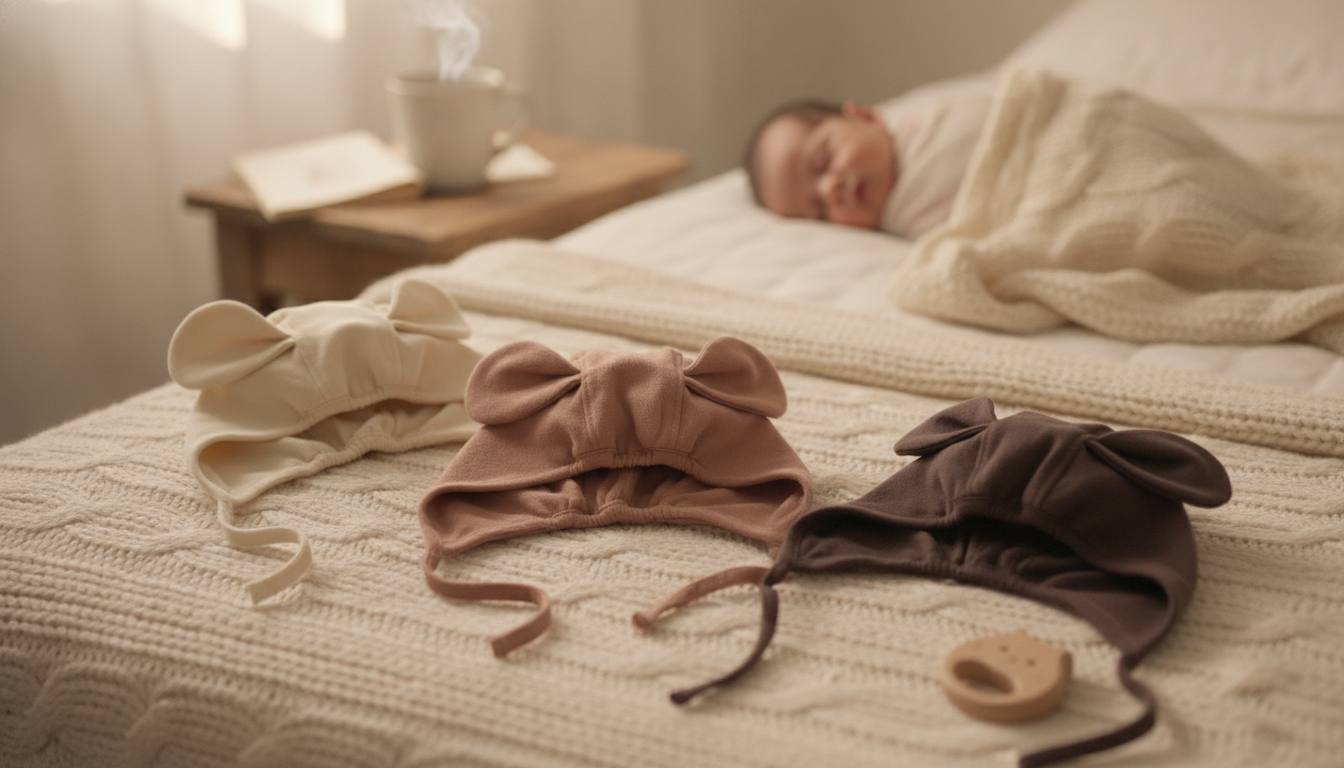
Newborn Cotton Knit Baby Hat: a small layer that makes a big difference
A cozy knit hat can help keep a baby comfortable during walks, car rides, and chilly rooms—especially in the early months when temperature regulation is still developing. The best newborn caps feel soft against delicate skin, add warmth without trapping too much heat, and fit securely while your baby grows fast. Below is a practical guide to choosing (and using) a cotton knit baby hat for everyday comfort from newborn through early toddlerhood.
What makes a good newborn knit hat
Babies don’t need complicated accessories—just the basics done well. A quality newborn knit hat typically focuses on comfort first, then warmth, then a fit that stays put without pressure.
- Soft-to-skin fabric that won’t feel scratchy around the forehead and ears
- Breathable warmth so baby stays cozy rather than sweaty
- Gentle stretch for a secure fit without leaving deep marks
- Comfortable seams and shape that help the hat stay in place during stroller time or contact naps
- Easy care since baby items get washed often
Comfort and warmth: cotton knit benefits for infants
Cotton knit is a popular choice for infant hats because it balances softness with everyday breathability. The knit construction naturally creates tiny pockets of warmth while still letting air move, which can feel more comfortable than overly thick or stiff fabrics—especially indoors or in mild weather.
A flexible knit can also buy you a little more time between sizes. Since head growth can be quick in the first year, a hat with some stretch tends to fit longer and adjust more comfortably to different hairstyles, fine baby hair, or a slightly fuller fit over the ears.
Quick comfort checklist
| Feature | Why it matters | What to look for |
|---|---|---|
| Soft knit feel | Reduces irritation on sensitive newborn skin | Smooth, flexible knit; no rough texture |
| Breathable warmth | Helps avoid overheating | Light-to-medium knit; not overly thick indoors |
| Gentle stretch | Secure fit without pressure | Elasticity that rebounds; not overly tight |
| Coverage | Protects ears/forehead in cooler air | Hat that sits comfortably above eyebrows and covers ears as needed |
| Easy care | Newborn items need frequent washing | Simple wash instructions; holds shape after laundering |
Sizing and fit for 0–18 months
Fit is the difference between a hat that’s worn daily and one that ends up in the diaper bag “just in case.” A well-fitting cap should sit comfortably on the head without sliding down over the eyes. At the same time, it shouldn’t squeeze the forehead or leave deep indentations after a short wear.
- Check the brow line: the hat should sit above the eyebrows and stay there when baby turns their head.
- Watch for pressure signs: fussiness, redness, or pronounced marks can mean it’s too snug.
- Choose stretch for growth: a flexible knit often accommodates growth spurts better than rigid materials.
- Comfort beats “cute”: if a hat slips, pinches, or needs constant adjusting, it likely won’t get used.
- If between sizes: a slightly roomier knit is often more comfortable than a tight fit, as long as it still stays secure.
When to use a baby hat (and when not to)
Hats are most helpful during short exposures to cooler air—like a quick stroller walk, a breezy morning, or going from a warm house to a chilly car. They can also be useful after baths if the room is cool, just for the brief warm-up window.
Just as important: know when to remove it. If baby feels warm, looks flushed, or gets sweaty, the hat is no longer helping comfort. For safe sleep, follow trusted guidance that focuses on reducing overheating; the American Academy of Pediatrics provides up-to-date recommendations here: American Academy of Pediatrics — Safe Sleep Recommendations. Additional practical tips on sleep clothing and temperature can be found at: NHS — How to dress your baby for sleep.
For car rides, a hat can be a simple warmth layer, but avoid bulky outerwear that affects harness fit. A thin knit cap is typically easier to manage than thick hoods or puffy layers.
Care and durability: keeping the knit soft
A simple, giftable essential for boys and girls
Product spotlight: Newborn Cotton Knit Baby Hat (0–18 months)
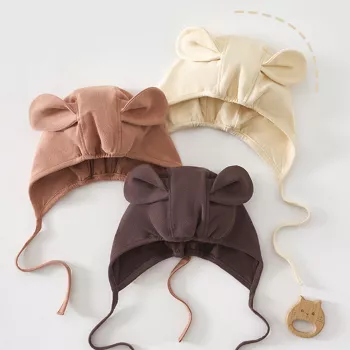
If you’re looking for a straightforward, cozy option, the Newborn Cotton Knit Baby Hat – Soft Warm Infant Cap for Boys & Girls 0-18 Months is designed as an everyday layer for cooler conditions and outings. It’s intended for babies 0–18 months (fit will vary based on head size and growth rate) and works as a simple add-on for stroller walks, travel days, and quick errands.
At-a-glance details
| Item | Details |
|---|---|
| Name | Newborn Cotton Knit Baby Hat – Soft Warm Infant Cap for Boys & Girls 0-18 Months |
| Price | $13.51 USD |
| Availability | In stock |
| Product page | View product |
More useful add-ons (in stock)
- Mini Chain Shoulder Bag (a compact grab-and-go option for quick errands)
- How AI Can Help You Organize Your Makeup Collection | Smart Beauty Decluttering Ebook (a simple reset for cluttered counters and rushed mornings)
FAQ
Can a newborn wear a hat while sleeping?
In general, hats are not recommended for unsupervised sleep because they can contribute to overheating. Follow your pediatrician’s guidance and aim for a comfortable room temperature instead of adding headwear for sleep.
How tight should a baby hat be?
A baby hat should stay on without sliding down over the eyes, but it shouldn’t leave deep marks or cause fussiness. If you notice redness or indentations that don’t fade quickly, size up or switch to a gentler stretch.
How often should a baby hat be washed?
Wash it whenever it’s soiled (drool, spit-up, milk) and regularly for everyday hygiene. Using gentle detergent and air-drying or low heat helps the knit stay soft and keep its shape.








Leave a comment