Choose an Elegant Stainless Flatware Set: Grades & Care
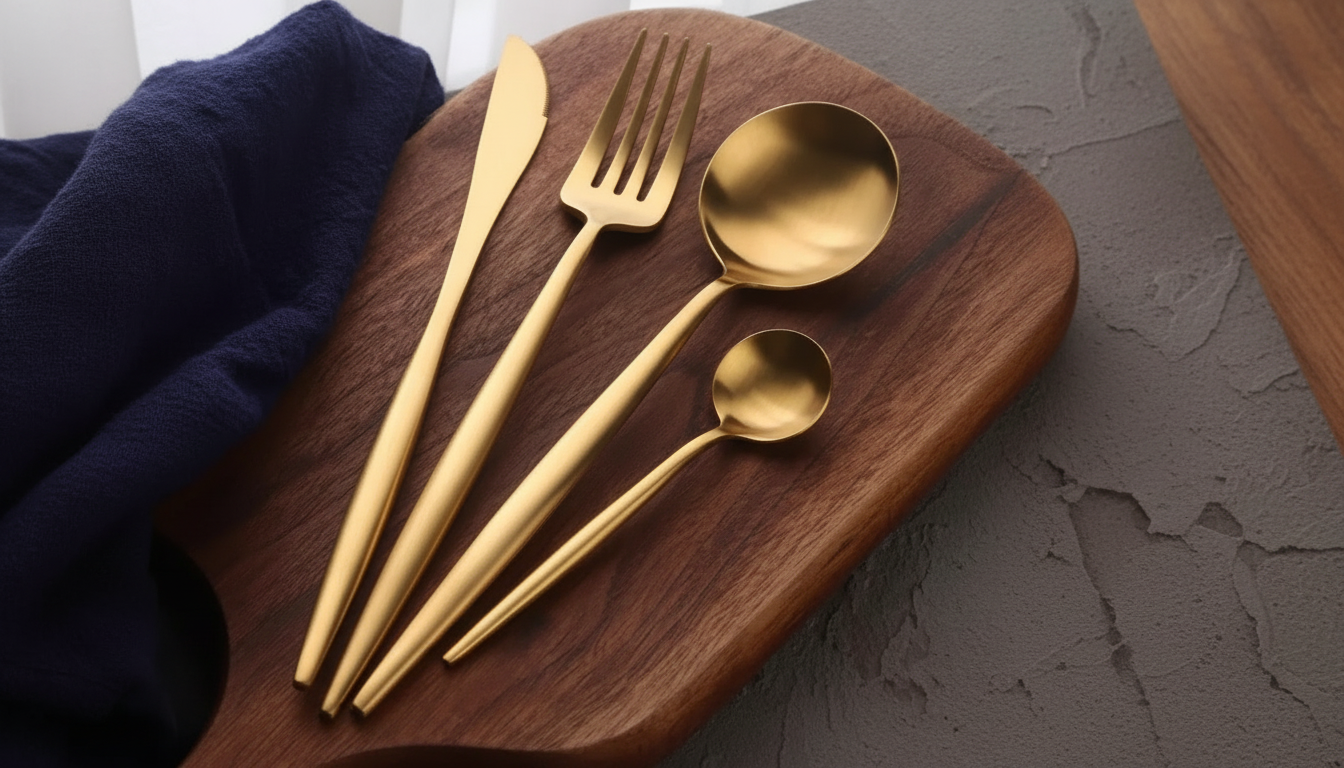
Elegant Stainless Steel Flatware Set for Everyday Dining and Special Occasions
A well-balanced flatware set does more than match the table—it affects comfort in hand, how food releases from the surface, and how easily everything cleans up after. The right stainless steel pieces can look polished for celebrations yet still feel practical for weeknight dinners. Below is a clear guide to what matters most when choosing an elegant stainless steel flatware set, from steel grades and finishes to care routines and place-setting planning.
What Makes Flatware Feel “Elegant” on the Table
“Elegant” flatware usually comes down to consistency, comfort, and the way it catches light. When every piece feels like it belongs together, the whole table looks more intentional.
- Clean lines and consistent proportions across forks, knives, and spoons create a coordinated look.
- A smooth, even finish (often satin or mirror-polished) reflects light in a refined way without looking mismatched piece-to-piece.
- Comfort details—rounded edges, balanced weight, and well-shaped handles—help the set feel premium during long meals.
- Uniform stamping and tidy transitions at the neck (where the handle meets the head) signal better manufacturing consistency.
Stainless Steel Basics: What to Look For
Stainless steel flatware is typically labeled by its alloy mix. The most common numbers—18/10, 18/8, and 18/0—describe chromium and nickel content. More nickel often means stronger corrosion resistance and a brighter shine, while lower-nickel options can be a good value for everyday use.
- Steel grade matters: 18/10 and 18/8 are commonly chosen for higher corrosion resistance and shine; 18/0 is typically more budget-friendly and can be slightly more prone to spotting.
- Heft and balance: heavier pieces often feel more substantial, but the “right” weight depends on preference and who will be using the set (adults vs. kids, everyday vs. formal).
- Knife construction: check whether dinner knives are one-piece or hollow-handle; both can perform well, but quality and fit/finish should be consistent.
- Edge comfort: utensil edges should feel smooth against lips and hands; avoid sharp stamping lines or rough seams.
Common Stainless Steel Flatware Options at a Glance
| Feature | 18/10 Stainless | 18/0 Stainless |
|---|---|---|
| Typical look | Bright, high luster | Good shine, can look slightly less luminous |
| Corrosion resistance | Very strong | Good, but may show spots more easily in humid or salty conditions |
| Magnet response | Often less magnetic | Often more magnetic |
| Best for | Frequent use, hosting, long-term sets | Everyday use, starter sets, value-focused purchases |
Finish and Style Choices That Match Different Tables
After steel grade, the finish does the most to shape the vibe. If the goal is “elevated but not fussy,” aim for a finish that suits your routine as much as your dinnerware.
How Many Pieces Are Enough for Your Household
Simple Planning Guide for Place Settings
| Household & Hosting Style | Suggested Place Settings | Notes |
|---|---|---|
| 1–2 people, minimal hosting | 4–6 | Extra teaspoons help for coffee/tea and desserts |
| 3–4 people, occasional guests | 8–12 | Consider adding a few extra forks and teaspoons |
| 5+ people or frequent hosting | 12–16 | Look for serving pieces and durable finish for heavy rotation |
Care and Cleaning for Long-Lasting Shine
For practical dishwashing guidance and detergent best practices, the American Cleaning Institute is a helpful reference. For general kitchen cleaning and sanitizing basics, see the CDC food safety resources.
Quick Troubleshooting: Spots, Film, and Discoloration
| Issue | Common Cause | What Helps |
|---|---|---|
| Water spots | Hard water minerals | Towel-dry after washing; consider rinse aid in dishwasher |
| Rainbow discoloration | Heat/mineral reaction | Stainless-safe polish/cleaner; gentle washing |
| Rust-colored specks | Iron particles from other items or harsh conditions | Clean promptly; avoid mixing with carbon steel items; ensure items dry fully |
A Closer Look at the Elegant Stainless Steel Flatware Set
If the goal is to upgrade from a mismatched drawer to a cohesive table, the Elegant Stainless Steel Flatware Set is designed to suit both everyday meals and dressed-up settings with a refined, coordinated look. Stainless steel construction supports durability and straightforward maintenance for regular rotation, making it a practical choice for weeknights while still feeling appropriate for hosting.
Product Snapshot
| Detail | Value |
|---|---|
| Product | Elegant Stainless Steel Flatware Set |
| Price | 86.97 USD |
| Availability | In stock |
| Product page | https://electina.com/elegant-stainless-steel-flatware-set/ |
Small Upgrades That Complement a Nicely Set Table
- Evening-ready accessory: the Mini Chain Shoulder Bag works as a compact option for dinners and events when you want a streamlined look.
- Get-ready organization: How AI Can Help You Organize Your Makeup Collection | Smart Beauty Decluttering Ebook is a practical pick for simplifying routines before guests arrive or before going out.
FAQ
Is stainless steel flatware dishwasher-safe?
Most stainless flatware is dishwasher-safe, but results depend on steel grade, finish, detergent strength, and avoiding overcrowding. Rinse after salty or acidic foods when possible, keep pieces from nesting, and towel-dry if spotting is a recurring issue.
What’s the difference between 18/10 and 18/0 stainless steel flatware?
These labels describe the chromium and nickel content: 18/10 typically has more nickel than 18/0, which often translates to stronger corrosion resistance and a brighter shine. Many households choose 18/10 for long-term sets and frequent hosting, while 18/0 is a solid value for everyday use.
How can water spots and rainbow stains be removed from stainless flatware?
Start with gentle washing using mild detergent and a soft sponge, then dry thoroughly. For persistent marks, use a stainless-safe cleaner/polish and avoid abrasive pads or chlorine bleach, which can damage the finish.











Leave a comment