Wearable Fashion Trends: Easy Looks Worth Trying Now
Your Guide to Wearable Trends: Discover What Fashion Trends Are Worth Trying
Trends move fast, but the best ones feel easy to wear, fit real life, and work with what’s already in the closet. This guide highlights current, practical style directions—plus quick ways to test them without overhauling an entire wardrobe. For more guidance, see Fashion Trends and Forecasting – eCornell – Cornell University.
What Makes a Trend Worth Trying
A “wearable” trend is less about a dramatic transformation and more about small shifts that make everyday outfits look fresh. Before buying anything, use these filters to spot what will actually earn a spot in rotation. For further reading, see Research Guides and Class Pages: Fashion: Books & eBooks.
- Comfort and function: prioritize breathable fabrics, easy movement, pockets, walkable footwear, and hands-free options.
- Versatility: it should pair with at least three existing outfits (think jeans, a simple dress, and work basics).
- Longevity: the idea should work beyond one season by swapping layers and accessories.
- Personal alignment: it should match your lifestyle (office, travel, school runs) and your preferred silhouettes.
- Budget-friendly entry: start with accessories or one statement piece rather than committing to a full look.
For runway-to-real-life inspiration, browse seasonal collections on Vogue Runway and keep an eye on the broader industry conversation via The Business of Fashion.
Wearable Trends That Fit Everyday Life
These trends have staying power because they’re built around fit, fabric, and styling—not novelty.
Relaxed tailoring
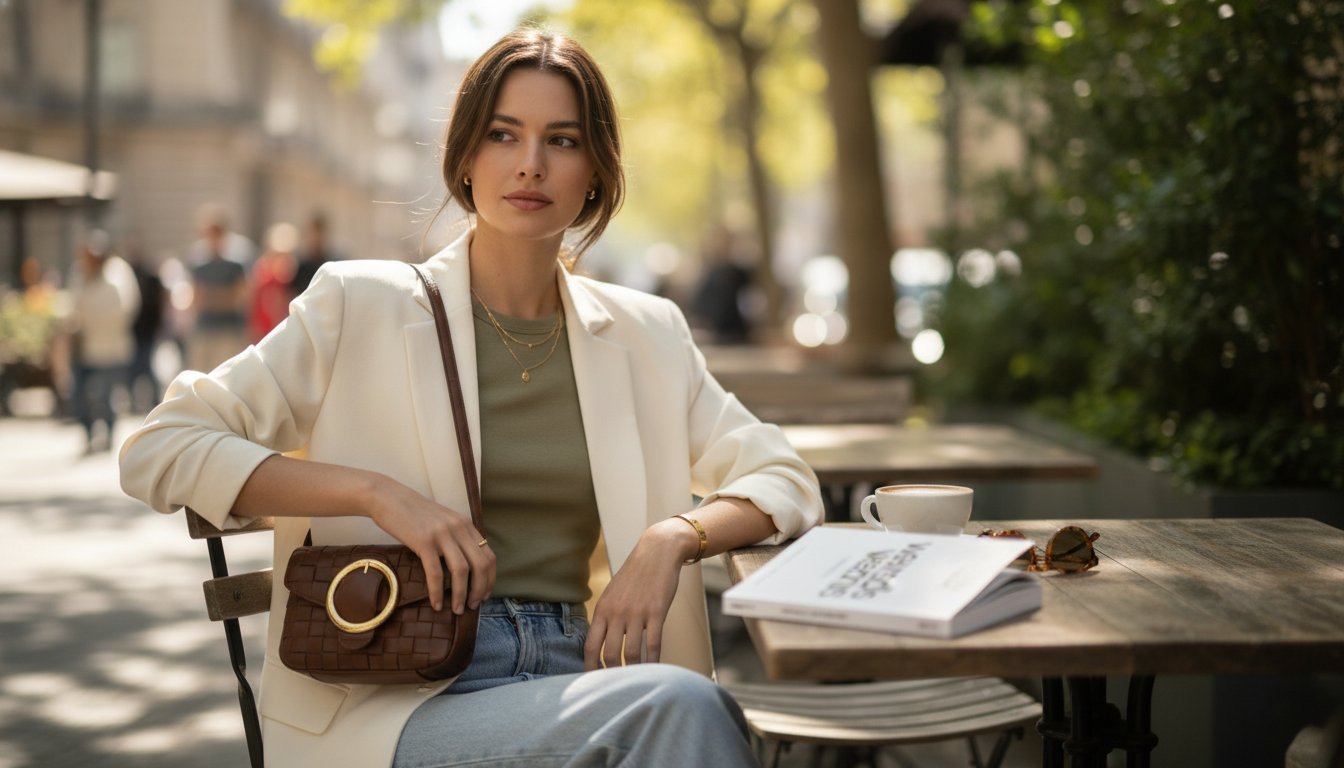
Soft blazers, wide-leg trousers, and matching sets deliver polish without feeling stiff. The easiest entry point is one tailored layer (like a blazer) over casual basics.
Elevated basics
Ribbed tanks, crisp tees, clean denim, and minimal layers look current when the fabric is substantial and the fit is intentional. This trend rewards small upgrades: better cotton, better drape, cleaner hems.
Quiet statement accessories
Think subtle shine, refined hardware, and smaller bags that sharpen an outfit without shouting. A single accessory can do the heavy lifting when your clothes stay simple.
Sport-meets-street
Sleek sneakers, track-inspired details, and performance fabrics blend easily with classics—especially when you keep colors neutral and logos minimal.
Texture play
Fleece, knits, and mixed materials add depth without relying on loud prints. Texture is also a smart workaround when you want interest but prefer a calm color palette.
Monochrome outfits
One-color dressing (black, cream, navy, chocolate, gray) instantly reads “pulled together.” The key is preventing it from looking flat by mixing finishes—matte with sheen, knit with denim, or wool with cotton.
Trend-to-Outfit Cheat Sheet
Use this as a quick pick list when getting dressed or shopping for a single add-on piece.
Choose one “trend driver” (silhouette, color, or accessory) and keep everything else simple.
Quick Ways to Try Popular Wearable Trends
| Trend | Low-effort way to try it | Best for | Keep it wearable by |
|---|---|---|---|
| Relaxed tailoring | Add an oversized blazer over a tee and straight jeans | Work-to-weekend | Keeping the base outfit simple and fitted |
| Monochrome dressing | Match top and bottom in similar tones (black, cream, navy) | Busy mornings | Mixing textures so it doesn’t look flat |
| Statement hardware | Carry a small bag with chain or metal details | Day-to-night | Limiting jewelry to one focal point |
| Sport-meets-street | Pair sleek sneakers with trousers or a midi skirt | Commute and travel | Choosing clean lines (avoid extra logos) |
| Texture contrast | Layer fleece or chunky knit over smooth basics | Cold-weather outfits | Balancing bulk with a slimmer bottom |
Easy Styling Rules That Make Trends Look Intentional
Small Pieces That Update a Look Fast
- A compact shoulder bag with hardware: it adds polish to denim, dresses, and tailored sets. A simple outfit (tee + jeans) looks finished the moment you swap in a more refined bag like the Mini Chain Shoulder Bag.
- A trend-led guide that helps you choose wisely: when you want direction without guesswork, keep a reference you can revisit while shopping. The downloadable Your Guide to Wearable Trends: Discover What Fashion Trends Are Worth Trying is an easy way to compare what you like with what you’ll actually wear.
- A clean, edited makeup routine: modern styling looks best when it feels uncluttered head-to-toe. If your vanity is overflowing, How AI Can Help You Organize Your Makeup Collection | Smart Beauty Decluttering Ebook can help streamline what you use day to day.
- Optional fun add-on: coordinated pet apparel can create an intentional “texture moment” for errands and walks—especially in cooler months. Try the Striped Fleece Dog Sweater for an easy matching vibe with knits, denim, and neutral outerwear.
Smart Shopping Checklist (So Trends Don’t Turn Into Clutter)
FAQ
How can a trend be tried without changing an entire wardrobe?
Start with one element—like a bag, a shoe, or a single layer—and wear it with your most reliable basics. Use the “three outfits” rule before buying, and try easy entry points like monochrome dressing or relaxed tailoring.
What are the easiest trends to wear for work and weekends?
Relaxed tailoring, monochrome outfits, and quiet statement accessories transition smoothly between settings. Keep it practical with clean sneakers and trousers, and choose minimal hardware for a polished finish.
How can outfits look current without feeling overdone?
Pick one focal point, balance volume (oversized with slim), and repeat a color twice to look intentional. Mixing textures adds depth without extra prints, and limiting logos keeps the look clean.







Leave a comment