Building Patience: Meaning, Examples, and Daily Practice
What does it mean to build patience?
To build patience means developing the skill to stay calm and steady when life moves slower than expected, plans change, or results take time. It’s not about “liking” delays—it’s about strengthening the ability to pause, choose a response, and keep going without getting pulled into irritation, rushing, or quitting.
Patience is often mistaken for passive waiting. In practice, it’s active self-control: noticing the urge to react (snapping, checking out, multitasking, doom-scrolling) and creating a small buffer between the trigger and what you do next. That buffer is where better decisions live.
What patience looks like day to day
Building patience can show up as finishing a task without constantly switching tabs, listening through a full conversation without interrupting, or sticking with a hobby long enough to improve. It can also look like handling long lines, traffic, or customer-service delays without letting your mood collapse.
How patience gets stronger
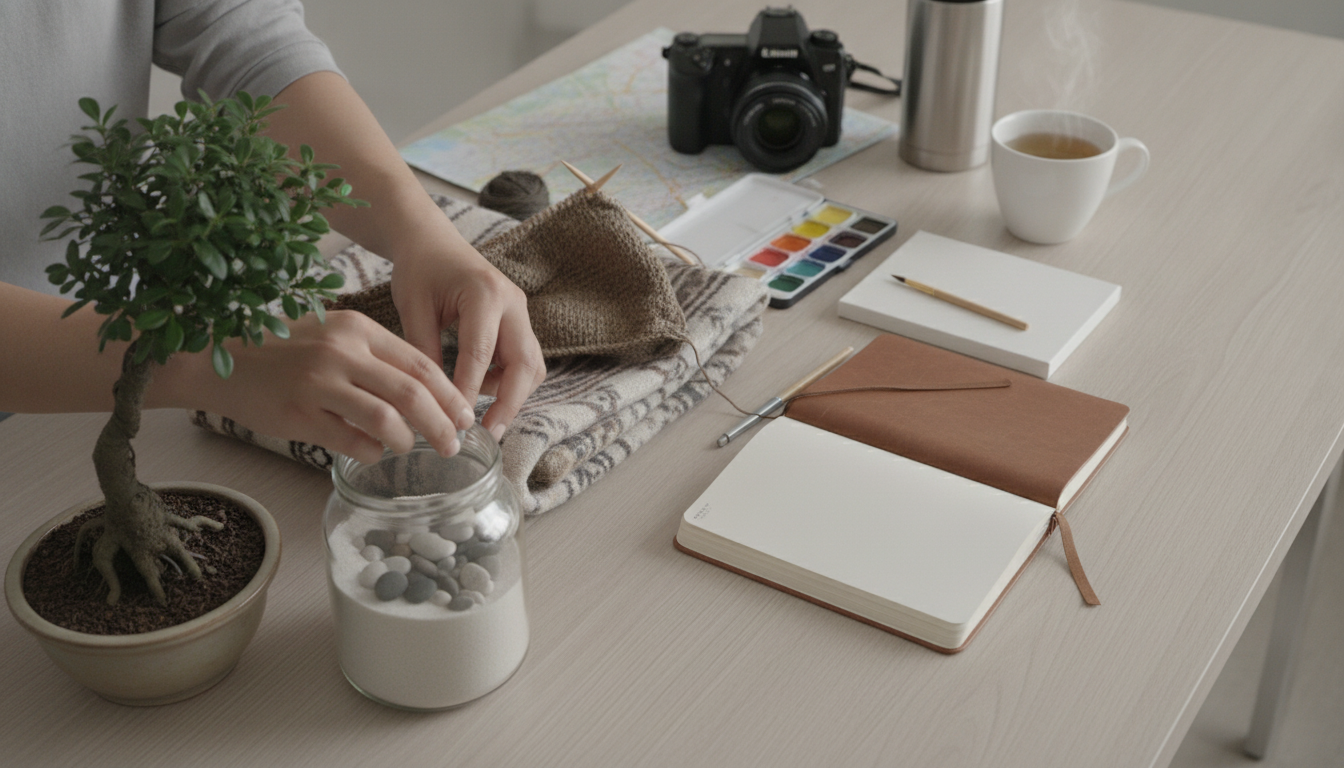
Patience grows through repetition—small, doable moments where you practice waiting, focusing, and staying present. Simple habits like mindful breathing, timed focus sessions, and hobbies that reward consistency (gardening, drawing, puzzles, cooking) can train your brain to tolerate discomfort and delay. Over time, the “need it now” feeling loses intensity, and it becomes easier to stay composed.
A practical way to start
Choose one daily “patience rep”: wait 30 seconds before responding to a frustrating message, finish one household task without switching, or do a 5-minute mindfulness reset when you feel rushed. If you want a structured plan with hobbies and mindfulness exercises designed to improve focus and self-control, visit this patience-building guide.
For Building Patience: Meaning, Examples, and Daily Practice, the best answer depends on fit, material, care instructions, and how the product will be used day to day.
FAQ
How can I practice patience every day?
Pick one repeatable action—like a short breathing pause before reacting, or a 10-minute single-task focus block—and do it daily. Consistency matters more than intensity.











Leave a comment